Lemon-Thyme Pasta with Pesto Shrimp & Asparagus
A fresh, vibrant pasta dinner filled with lemon, garden herbs, tender shrimp, and seasonal asparagus.
Fresh pasta does not need a heavy sauce or a long list of ingredients to feel special. This colorful recipe brings together the citrusy, aromatic character of Pasta by Val’s Lemon Thyme Pasta with Pasta by Val’s Classic Pesto, sautéed shrimp, and tender asparagus. The pasta already contains real lemon zest, lemon juice, and fresh thyme, giving every bite a bright, garden-fresh flavor. Val’s handcrafted pesto — made with fresh basil, Parmigiano-Reggiano, toasted pine nuts, garlic, and extra-virgin olive oil — comes ready to use from the jar and pairs perfectly with the delicate pasta. Shrimp adds a lightly sweet coastal flavor, while asparagus gives the dish freshness, color, and just enough texture. Everything comes together in approximately 30 minutes, making it an easy weeknight dinner that is also elegant enough to serve to guests.
Ingredients
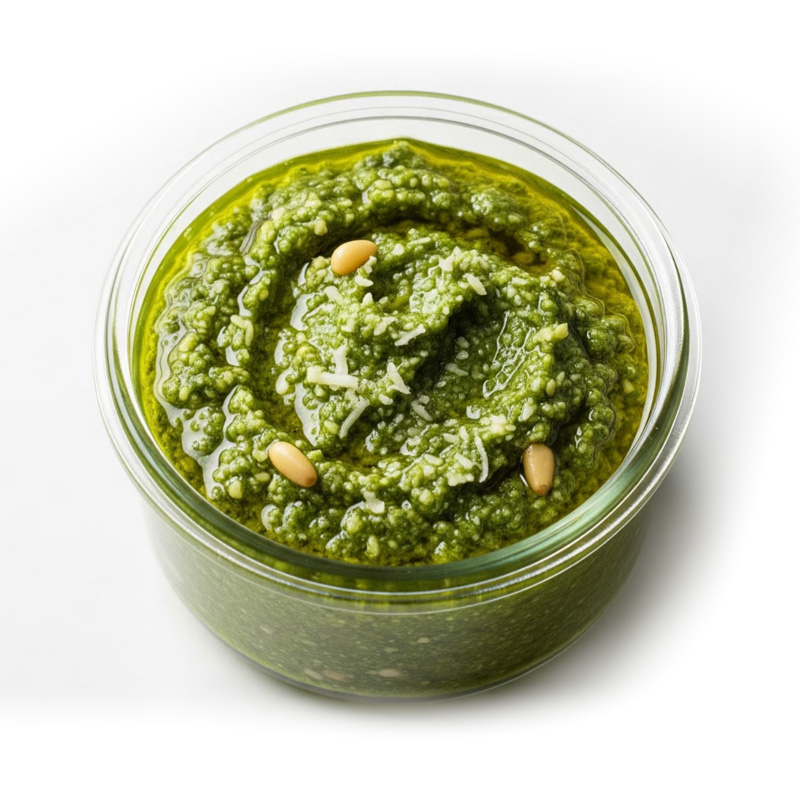
Use Val’s Handcrafted Pesto
This recipe is designed to showcase Pasta by Val’s Classic Pesto — handcrafted in small batches with fresh basil, Parmigiano-Reggiano, toasted pine nuts, garlic, and extra-virgin olive oil. The pesto is ready to use straight from the jar, no preparation needed!
Shop Classic Pesto →For the Pasta
- 1 package Pasta by Val Fresh or Dry Lemon Thyme Pasta
- 1 jar Pasta by Val Classic Pesto
- 1 pound large shrimp, peeled and deveined
- 1 bunch asparagus, approximately 1 pound
- 2 tablespoons extra-virgin olive oil, divided
- 2 cloves garlic, finely minced
- ¼ teaspoon crushed red pepper flakes, optional
- ½ teaspoon kosher salt, plus more for the pasta water
- ¼ teaspoon freshly ground black pepper
- ½ cup reserved pasta cooking water, as needed
- ¼ cup freshly grated Parmigiano-Reggiano
- 1 tablespoon fresh lemon juice
- 1 teaspoon finely grated lemon zest
- 1 tablespoon chopped fresh basil or parsley
For Garnishing
- Freshly grated or shaved Parmigiano-Reggiano
- Fresh basil leaves
- Fresh thyme leaves
- Additional lemon zest
- Freshly cracked black pepper
- Lemon wedges
- Toasted pine nuts, optional
* Because the Lemon Thyme Pasta and pesto already provide plenty of citrus and herb flavor, the additional lemon juice and zest should be used lightly. The goal is to brighten the dish without overpowering the flavor built into the fresh pasta.
Pasta Cook Times — Fresh vs Dry
This recipe works with Val’s fresh Lemon Thyme Pasta or dry Lemon Thyme Pasta. Times are different, so check which you have before you start:
- Fresh Lemon Thyme Pasta: 2–3 minutes in well-salted boiling water. Have sauce and toppings ready before the pasta goes in.
- Dry Lemon Thyme Pasta: 9–11 minutes, stirring occasionally. Taste a strand before draining.
Always reserve pasta water before draining. Do not rinse the pasta. Shop fresh pasta · Shop dry pasta
How to Make Lemon-Thyme Pasta with Pesto Shrimp & Asparagus
Prepare the Ingredients
Pat the shrimp dry with paper towels. Season lightly with salt and freshly ground black pepper.
Trim and discard the woody ends of the asparagus. Cut the remaining stalks diagonally into approximately 2-inch pieces, keeping the tips intact.
Bring a large pot of generously salted water to a gentle boil. Fresh pasta cooks quickly, so have the remaining ingredients prepared before adding the pasta to the water.
Sauté the Asparagus
Heat 1 tablespoon of olive oil in a large skillet over medium-high heat.
Add the asparagus and season with a small pinch of salt and black pepper. Cook for approximately 3 to 4 minutes, stirring occasionally, until the asparagus turns bright green and becomes crisp-tender.
Transfer the asparagus to a plate and set it aside.
Cook the Shrimp
Return the skillet to medium-high heat and add the remaining tablespoon of olive oil.
Add the shrimp in a single layer. Cook for approximately 1 to 2 minutes on the first side, then turn each shrimp.
Add the minced garlic and optional crushed red pepper flakes. Continue cooking for another 1 to 2 minutes, until the shrimp are pink, opaque, and just cooked through.
Return the asparagus to the skillet and reduce the heat to low.
Cook the Pasta
Bring a large pot of generously salted water to a rolling boil. Add Val’s Lemon Thyme Pasta and cook until al dente. Fresh pasta: approximately 2–3 minutes. Dry pasta: approximately 9–11 minutes, stirring occasionally. Taste a strand before draining. Reserve pasta water as directed in the next steps and do not rinse the pasta.
Before draining, carefully reserve approximately ½ cup of the pasta cooking water.
Drain the pasta gently. Do not rinse it.
Add Val’s Pesto
Add the drained pasta directly to the skillet with the shrimp and asparagus.
Remove the skillet from the heat before adding the pesto. Open your jar of Pasta by Val Classic Pesto and spoon in approximately half of the jar. Add 2 tablespoons of reserved pasta water.
Gently toss the pasta until the pesto loosens and coats the noodles, shrimp, and asparagus. Add more pesto and pasta water as needed until the sauce reaches your preferred consistency.
Adding pesto away from direct heat helps preserve its fresh basil flavor and vibrant appearance. Pasta water helps the sauce cling evenly to every strand. Val’s pesto is perfectly balanced and ready to use — no additional preparation required!
Finish and Serve
Add the grated Parmigiano-Reggiano, lemon juice, lemon zest, and chopped basil or parsley.
Toss gently, adding another splash of pasta water when necessary. Taste before adding additional salt because the pesto and Parmesan already contribute seasoning.
Divide the pasta among four shallow bowls.
Finish with shaved Parmesan, fresh herbs, cracked black pepper, and a small amount of lemon zest. Serve immediately with lemon wedges on the side.
Val’s Tips for the Perfect Pasta
- Have Everything Ready Before Cooking — Fresh pasta cooks in 2–3 minutes; dry pasta needs 9–11 minutes. Prepare the shrimp, asparagus, garlic, cheese, and garnishes before placing the pasta in the water.
- Dry the Shrimp Thoroughly — Removing surface moisture helps the shrimp sauté instead of steaming. It also encourages light browning and better flavor.
- Do Not Overcook the Shrimp — Shrimp cook quickly and can become rubbery when left in the pan too long. Remove the skillet from the heat as soon as they are pink and opaque.
- Keep the Asparagus Crisp-Tender — The asparagus should remain bright green and retain a little bite. Remember that it will continue cooking briefly when it is returned to the skillet.
- Never Boil the Pesto — High heat can dull pesto’s fresh basil flavor and cause the cheese and oil to separate. Fold it into the pasta after removing the skillet from direct heat.
- Save More Pasta Water Than You Think You Need — The warm, starchy water loosens the pesto and creates a silky coating without requiring cream or additional oil.
- Serve Fresh Pasta Immediately — Fresh pasta is at its best as soon as it is tossed with the sauce. Have the table set and garnishes ready before cooking the noodles.
“Fresh pasta does not need a heavy sauce or a long list of ingredients to feel special. When you start with quality ingredients like our Lemon Thyme Pasta, simplicity becomes elegance.”
Why This Combination Works
Lemon Thyme Pasta — Real lemon zest, lemon juice, and thyme are folded into Val’s fresh pasta dough, creating a naturally bright flavor before any sauce is added. The pasta is made fresh in small batches and is intended to be enjoyed within 24 hours for its best texture and flavor.
Classic Pesto — Fresh basil, Parmigiano-Reggiano, olive oil, pine nuts, garlic, and sea salt provide a bold but balanced sauce. The pesto reinforces the herbal notes of the pasta while adding richness.
Shrimp — The mild sweetness of shrimp complements the lemon without competing with it. Shrimp also make the recipe feel substantial while keeping it lighter than a meat-based pasta dish.
Asparagus — Asparagus contributes freshness, color, and a crisp texture. Its grassy flavor fits naturally with basil, thyme, lemon, Parmesan, and olive oil.
Recipe Variations
Lemon-Thyme Pasta with Chicken
Replace the shrimp with 1 pound of thinly sliced boneless chicken breast. Sauté the chicken until completely cooked, remove it from the pan, and return it when the pasta and pesto are combined.
Vegetarian Lemon-Thyme Pasta
Leave out the shrimp and increase the asparagus to 1½ pounds. Add peas, zucchini, mushrooms, artichoke hearts, or blistered cherry tomatoes.
Salmon and Asparagus Pasta
Replace the shrimp with roasted or pan-seared salmon. Flake the cooked salmon into large pieces and fold it into the pasta immediately before serving.
Scallop Version
Use dry-packed sea scallops instead of shrimp. Sear them separately and place them over the finished pasta so they retain their golden crust.
Creamy Pesto Variation
Add 2 to 3 tablespoons of mascarpone, ricotta, or heavy cream when tossing the pesto with the pasta. Use a light hand so the delicate lemon-thyme flavor remains noticeable.
Extra-Vegetable Pasta
Add halved cherry tomatoes, baby spinach, English peas, or thinly sliced zucchini. This is an excellent way to turn the recipe into a colorful farmers-market dinner.
Spicy Pesto Shrimp Pasta
Increase the crushed red pepper flakes to ½ teaspoon and finish the dish with a drizzle of chili-infused olive oil.
Serving Suggestions
This recipe works equally well as a relaxed weeknight dinner or the centerpiece of a spring gathering.
Serve it with:
For entertaining, serve the pasta in a large, shallow platter and arrange several shrimp and asparagus tips across the top. Finish it at the table with shaved Parmesan, lemon zest, basil leaves, and cracked black pepper.
Make-Ahead and Storage Tips
Preparing Ahead: The asparagus can be trimmed and cut up to one day in advance. Store it in an airtight container in the refrigerator. The shrimp can be peeled and deveined ahead of time, but they should remain refrigerated until shortly before cooking. The cheese, garlic, herbs, and garnishes can also be prepared earlier in the day. Do not cook the fresh pasta until you are ready to assemble and serve the dish.
Refrigerating Leftovers: Transfer leftovers to an airtight container and refrigerate promptly. For the best flavor and texture, enjoy them within two days.
Reheating: Warm the pasta gently in a covered skillet over low heat. Add a tablespoon or two of water to loosen the pesto. Avoid overheating. High heat can make the shrimp tough and cause the pesto to lose its fresh flavor.
Freezing: Freezing the fully assembled dish is not recommended because the shrimp and asparagus may lose their texture. Pasta by Val’s uncooked fresh pasta can be frozen separately. The product guidance recommends laying it flat after dusting it with semolina, freezing until firm, and then transferring it to a freezer-safe bag. It can be cooked directly from frozen with approximately 1 to 2 additional minutes of cooking time. Val’s pesto can also be frozen in small portions for convenient future meals.
Frequently Asked Questions
Make It with Pasta by Val
This recipe was created to showcase two handcrafted Pasta by Val favorites: Lemon Thyme Pasta and Classic Pesto. Find them at your local market or order online.
Shop Lemon Thyme Pasta Shop Classic Pesto